25 Jun 2026
The Untapped Synergy Between Esports Wagering and Progressive Slot Leaderboards in Mobile-First Platforms Serving UK Audiences Outside Standard Exclusion Programs
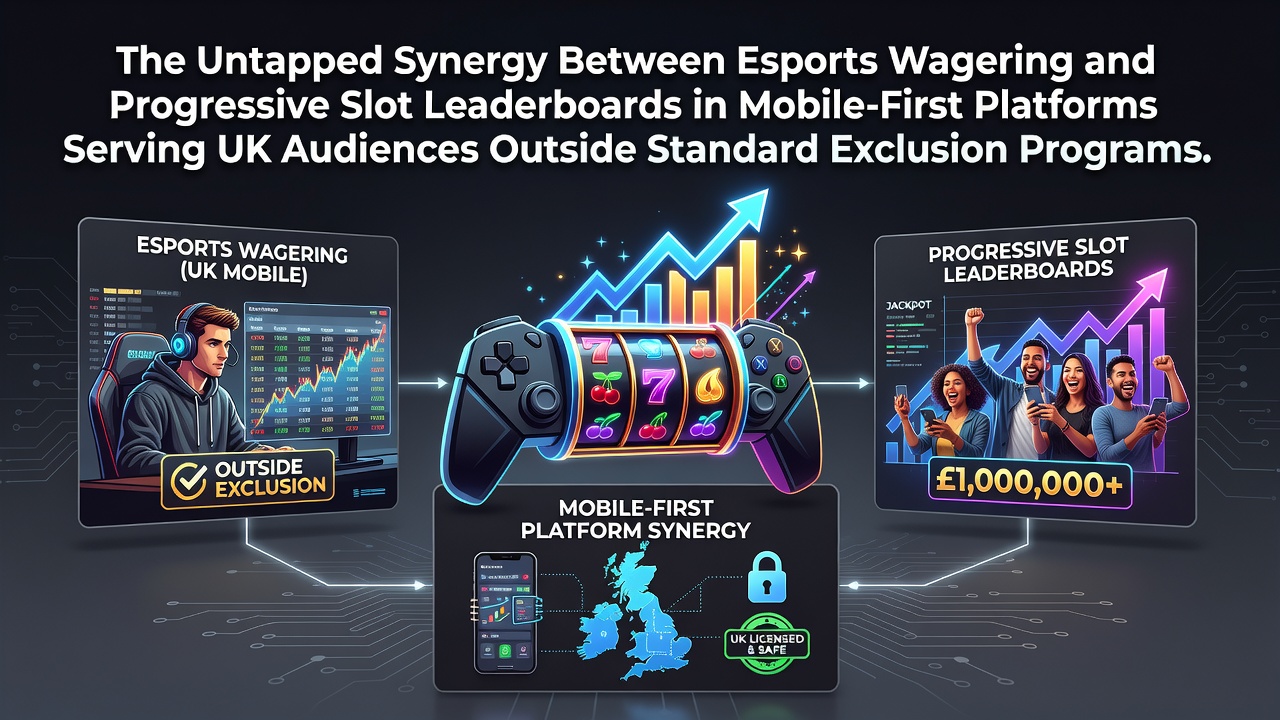
Esports wagering has expanded rapidly across digital channels since 2023, with mobile applications accounting for over 65 percent of activity according to data compiled by the American Gaming Association. Progressive slot leaderboards meanwhile operate through cumulative jackpot mechanisms that update in real time and reward consistent participation. When these two formats converge on mobile-first platforms, operators create hybrid environments where users place wagers on competitive gaming matches and simultaneously track leaderboard positions in linked slot tournaments.
Core Mechanics of Each Component
Esports betting platforms display live odds on titles such as League of Legends and Counter-Strike 2, with markets ranging from match winners to in-game events like first blood or map totals. Progressive slots add another layer by pooling contributions from every spin into growing prize pools that reset only after a win occurs. Leaderboards rank participants by metrics including total spin volume, win multipliers achieved, and session duration, with prizes distributed at intervals that range from hourly to weekly.
Integration occurs when a single account balance funds both esports wagers and slot spins, while leaderboard progress carries over across both activity types. A user who places a successful esports bet receives bonus spins that contribute directly to leaderboard standing, and strong leaderboard performance unlocks promotional credits usable on esports markets. This structure reduces friction between separate verticals and encourages extended engagement within one application.
Mobile-First Design Advantages
Platforms optimized for smartphones deliver these combined experiences through responsive interfaces that adjust between portrait and landscape modes without reloading. Push notifications alert users to upcoming esports matches and leaderboard position changes in the same feed, while biometric login and biometric confirmation streamline deposit and withdrawal sequences. Data from the European Gaming and Betting Association indicates mobile session lengths average 22 minutes when multiple game types sit within the same ecosystem, compared with 14 minutes on desktop-only offerings.
Synergies Emerging in June 2026
By June 2026 several operators serving UK audiences outside standard exclusion frameworks had introduced cross-vertical tournaments. One format pairs an esports match prediction contest with a simultaneous slot race; points accumulate from correct predictions and from slot features triggered during the same window. Another model allows leaderboard rank to influence esports odds, granting slight discounts on wagers for top-ranked slot participants. These mechanics create feedback loops where success in one area improves opportunities in the other.
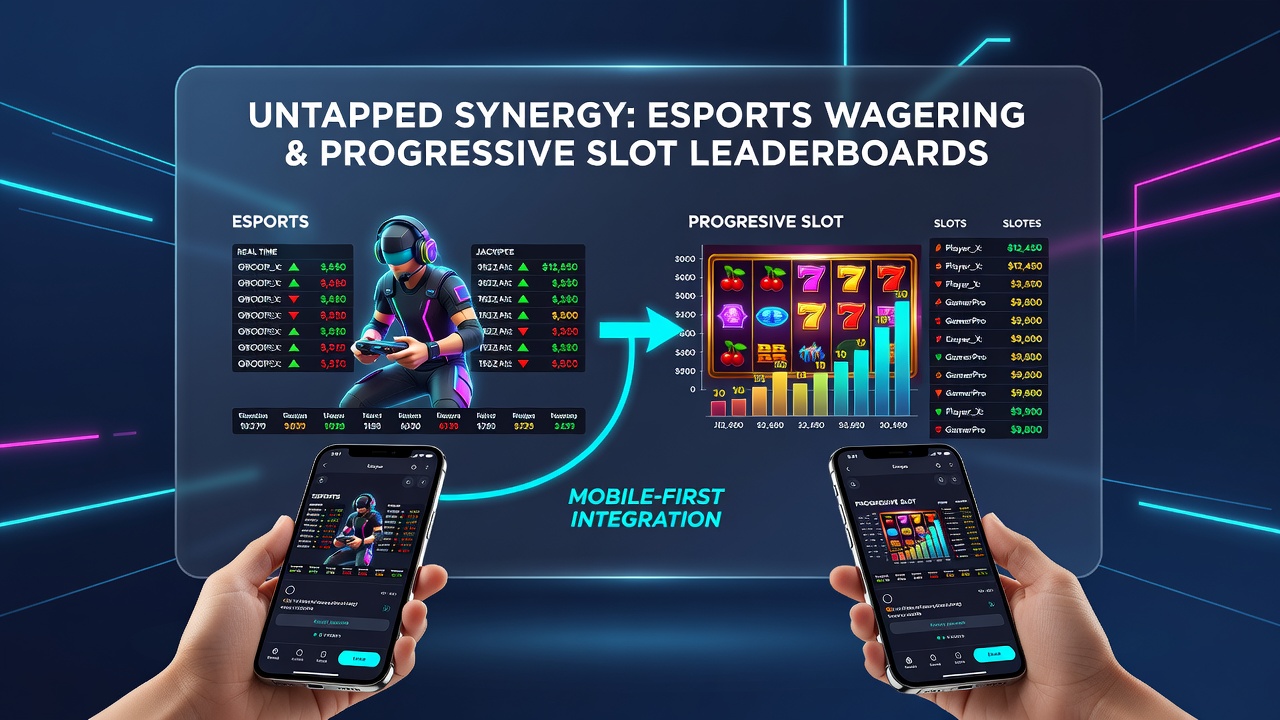
Technical requirements include unified player accounts, shared wallet ledgers, and real-time data synchronization between esports odds engines and slot random number generators. Developers achieve this through application programming interfaces that update both systems within 200 milliseconds, ensuring leaderboard positions reflect the most recent esports outcomes and slot results without lag.
Platform Architecture Serving UK Users
Mobile-first platforms designed for UK audiences outside exclusion programs maintain separate compliance layers that route traffic through jurisdictions permitting such access. These platforms rely on geo-location checks and device fingerprinting rather than centralized exclusion databases. Features include instant currency conversion between GBP and cryptocurrencies, plus language settings that default to UK English with localized time zones for leaderboard resets.
Payment rails incorporate e-wallets and prepaid vouchers that process without mandatory identity verification steps beyond initial registration. Session management tools allow users to set spend limits per vertical, yet these remain independent of any national self-exclusion registry. Observers note that such architectures attract users who prefer granular control over participation boundaries while still accessing combined esports and slot environments.
Data Patterns and Market Indicators
Industry reports from the University of Nevada, Las Vegas Center for Gaming Research show that hybrid esports-slot users generate 1.8 times the revenue of single-vertical participants over a six-month period. Retention curves flatten when leaderboard rewards include esports betting credits, with monthly active rates holding above 48 percent after the first quarter. Mobile traffic from UK IP addresses to these integrated platforms increased 31 percent between January and June 2026, coinciding with the rollout of cross-vertical tournaments described earlier.
Security protocols incorporate end-to-end encryption for all transaction data and regular third-party audits of random number generators. Leaderboard integrity relies on tamper-evident logging that timestamps every spin and wager, allowing disputes to be resolved through verifiable records rather than manual review.
Conclusion
The convergence of esports wagering and progressive slot leaderboards on mobile-first platforms creates measurable operational efficiencies and new engagement pathways. UK audiences outside standard exclusion programs access these systems through purpose-built applications that prioritize speed, integration, and jurisdictional flexibility. As synchronization technologies mature and tournament formats diversify, the underlying data indicates sustained growth in combined participation metrics across both verticals.