6 Jun 2026
The Evolution of Secure Transaction Frameworks Supporting Real-Time Interactive Sessions and Portable Platform Access for Entertainment Seekers
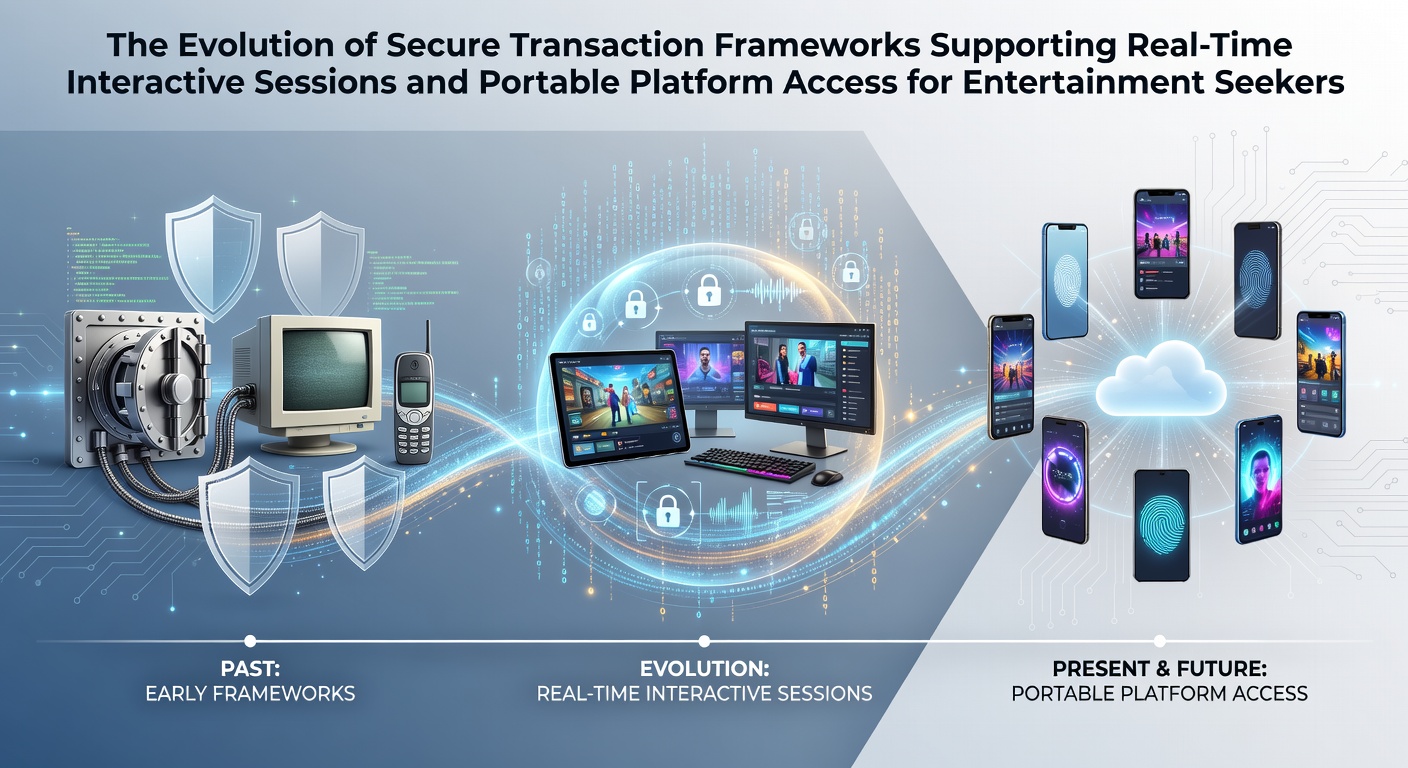
Secure transaction frameworks have developed through successive layers of technology that now support real-time interactive sessions across portable platforms for people seeking entertainment content. Early digital payment systems relied on basic encryption standards introduced in the 1990s while subsequent advances incorporated tokenization, multi-factor authentication and distributed ledger methods that allow instantaneous verification during live streaming events, multiplayer sessions and on-demand media access. Researchers at institutions such as the University of Toronto documented these shifts in reports covering payment infrastructure growth from 2000 onward, noting how portable device proliferation demanded frameworks capable of handling variable network conditions without interrupting user sessions.
Foundations in Early Digital Entertainment Payments
Initial frameworks emerged alongside the expansion of broadband services and early mobile networks when entertainment platforms began offering downloadable music and video libraries. Data from the Australian Competition and Consumer Commission indicates transaction volumes in digital media rose sharply between 2005 and 2010 as consumers moved from physical media to online accounts protected by SSL protocols and basic fraud detection rules. These systems processed payments in batches rather than instantaneously yet they established core principles of user authentication that later supported real-time interactions on tablets and smartphones. Observers note that integration with carrier billing methods reduced friction for portable access while maintaining compliance with regional data protection statutes across North America and Europe.
Mobile Platform Expansion and Real-Time Processing
Smartphone adoption accelerated demand for frameworks that could authorize payments during active sessions such as live video chats or interactive game environments. Industry analyses from the Canadian Gaming Association highlight how application programming interfaces evolved to enable sub-second transaction confirmations by 2015, allowing users to purchase virtual items or unlock features without exiting the entertainment experience. Portable platform access benefited from near-field communication standards and biometric verification layers that replaced manual entry of card details, reducing session interruptions. What's interesting is how these changes aligned with regulatory updates in multiple jurisdictions that required enhanced consumer protections while preserving seamless functionality for entertainment seekers on the move.
Integration of Advanced Security Protocols by 2026
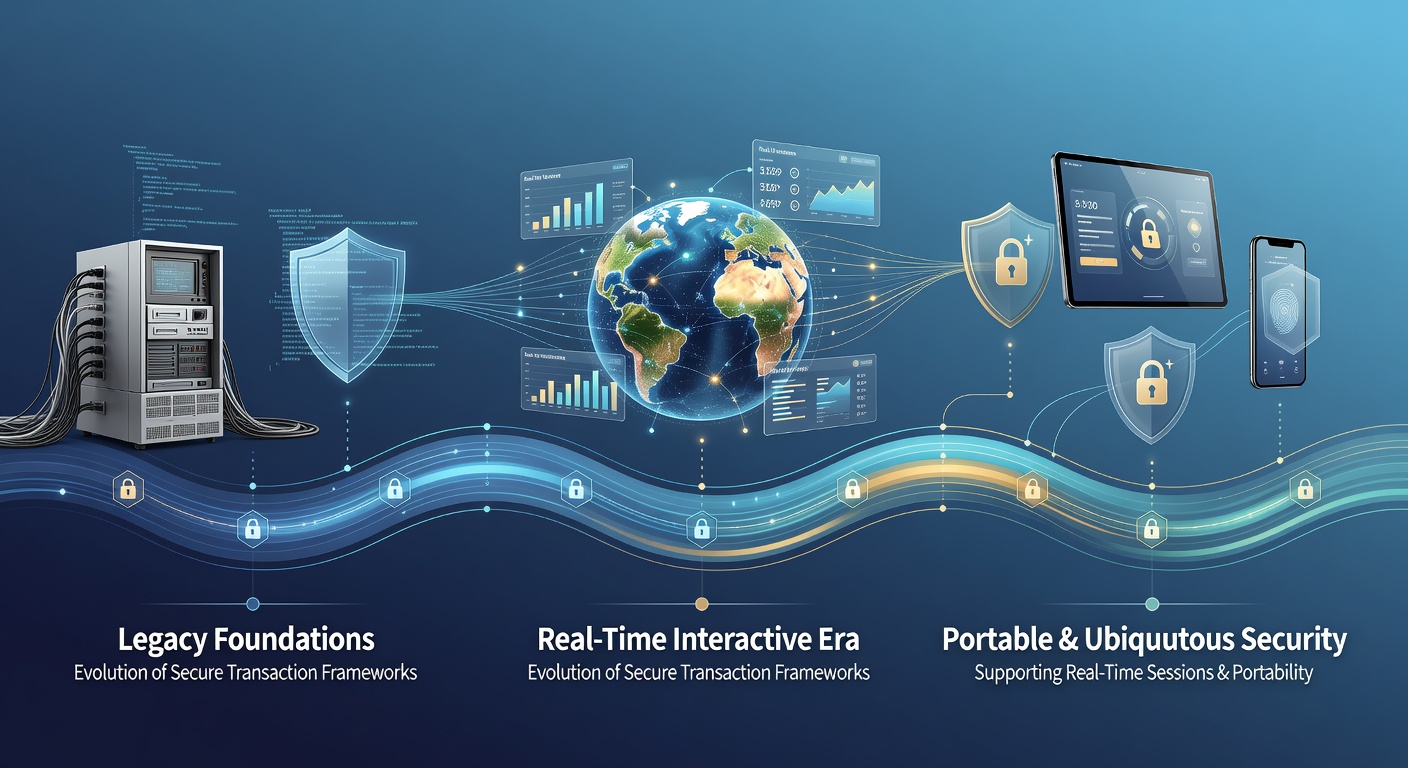
By June 2026 frameworks had incorporated quantum-resistant encryption algorithms alongside artificial intelligence models trained to detect anomalous patterns in real time. Reports from the European Payments Council detail how these tools process millions of micro-transactions daily across entertainment platforms that deliver live concerts, virtual reality tours and collaborative media experiences. Portable devices now interface directly with cloud-based verification services that maintain session continuity even during network handoffs between cellular and wireless connections. Evidence suggests the shift toward decentralized identity solutions has further strengthened user control over personal data shared during interactive sessions, enabling entertainment providers to offer customized content without centralized storage vulnerabilities.
Portable Access and Interactive Session Demands
Entertainment seekers increasingly rely on frameworks that accommodate cross-device continuity so a session initiated on a smartphone can resume on a tablet or wearable without re-authentication. Studies published by the Massachusetts Institute of Technology Media Lab describe architectures that separate payment authorization from content delivery streams, thereby supporting uninterrupted real-time interactions such as audience participation in live broadcasts or synchronized multiplayer events. Data indicates growth in wearable payment integration reached notable levels in markets including Japan and South Korea where portable platforms serve as primary access points for digital entertainment. These developments reflect coordinated efforts among technology providers, financial institutions and standards bodies to maintain security benchmarks while scaling for higher session volumes.
Conclusion
Transaction frameworks continue to adapt in response to expanding portable access requirements and the technical demands of real-time interactive entertainment. Figures from global industry reports reveal sustained investment in protocol refinements that balance verification speed with fraud prevention across diverse regulatory environments. Those who track infrastructure trends observe that ongoing refinements support broader participation in digital entertainment while preserving the integrity of each session regardless of device or location.