6 Aug 2026
Platform Networks Fueling Real-Time Dealer Sessions, Bingo Competitions, and Sports Markets via Adaptable Payment Routes for UK Users Exploring Alternatives
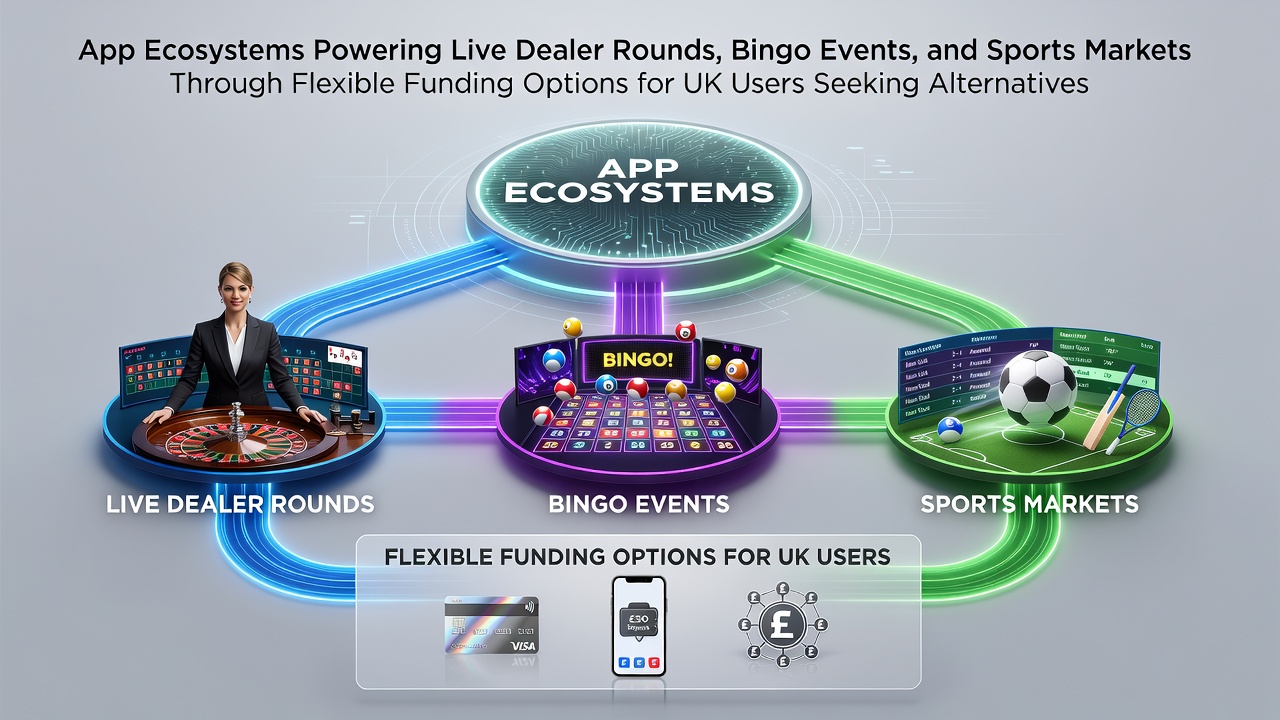
Application frameworks have expanded across digital gambling sectors, integrating live dealer interfaces with bingo software modules and sports market feeds while supporting multiple funding channels that UK users access when pursuing options outside established self-exclusion frameworks. These networks connect streaming video feeds from studio environments directly to mobile devices, allowing participants to join roulette wheels or blackjack tables in real time, and the same platforms embed bingo card generators that update automatically during scheduled draws.
Core Components of Integrated Application Systems
Developers combine video streaming protocols with random number generators certified by independent testing laboratories, and these elements operate within single applications that handle deposits through electronic wallets, prepaid vouchers, and digital currency transfers. Data from industry reports shows transaction volumes in such systems increased during 2025, with further growth noted into August 2026 as more operators added instant settlement features for sports wagers on football and tennis events. Users connect bank accounts or card details once, then select from listed alternatives at checkout screens, which reduces repeated verification steps across different game categories.
Live Dealer Integration Within Mobile Ecosystems
Live dealer rounds rely on high-definition camera setups linked to application servers that synchronize card shuffles and wheel spins with player inputs from smartphones or tablets. Observers note that these connections maintain latency below two seconds in most tested networks, enabling chat functions between participants and dealers during blackjack or baccarat sessions. Funding flexibility appears through menu options that list services such as instant bank transfers and voucher redemptions, and statistics released by the European Gaming and Betting Association indicate rising adoption rates among users who manage multiple game types from one dashboard.
Bingo Events Powered by the Same Application Layers
Bingo modules within these platforms generate numbered grids that refresh according to draw schedules broadcast from centralized servers, and participants purchase tickets using the same balance that funds live dealer tables or sports selections. Research from university studies on digital entertainment patterns reveals that combined bingo and dealer applications retain users longer when payment methods allow small incremental deposits without additional authentication layers. In August 2026 several networks introduced bulk ticket purchasing tools that draw from stored payment profiles, streamlining entry into multi-card games while maintaining separate ledgers for sports market activity.
Sports Markets and Flexible Funding Pathways
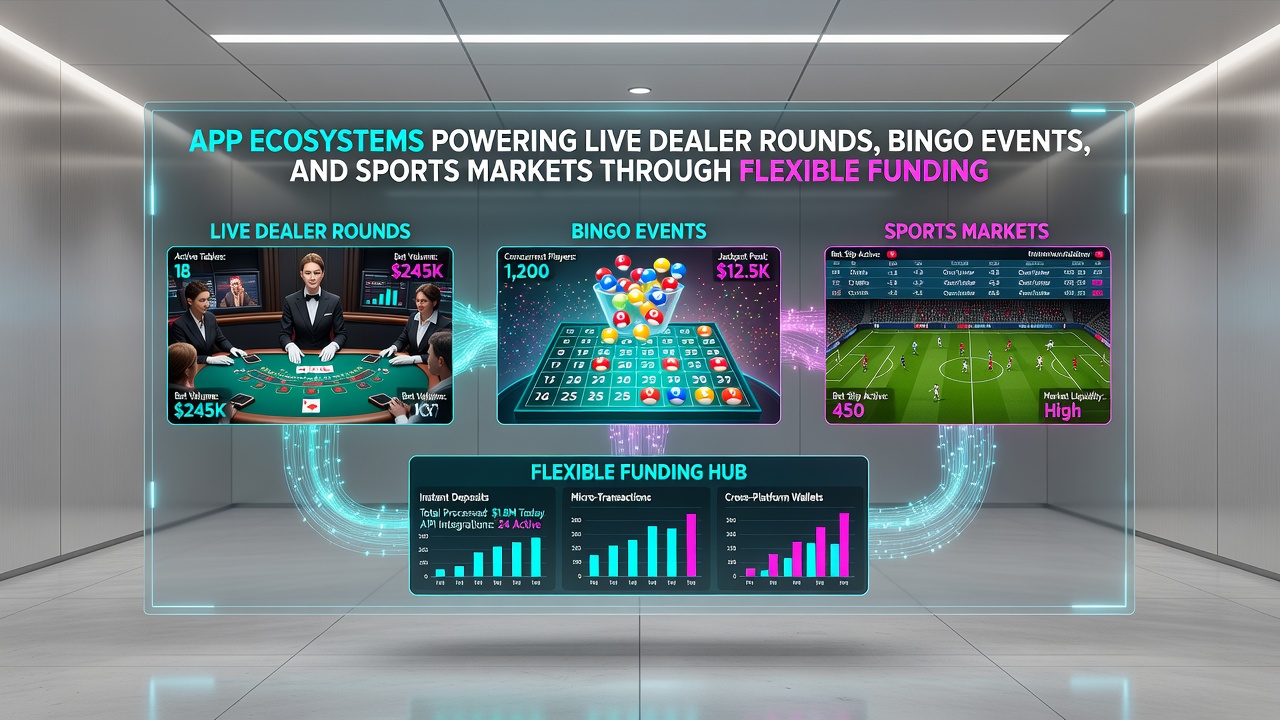
Sports betting sections display live odds for domestic leagues alongside international fixtures, and bet placement occurs through the same wallet balances used for dealer rounds or bingo purchases. Payment pipelines accept cryptocurrency deposits that convert automatically at prevailing rates, alongside traditional e-wallet options that process withdrawals within stated timeframes. Figures from the Canadian Gaming Association highlight how diversified funding reduces friction for users who alternate between sports accumulators and table game sessions within single sessions. Application updates released mid-2026 added quick-select buttons for recurring deposit amounts, further shortening the interval between fund arrival and bet confirmation.
Technical Architecture Supporting Cross-Game Functionality
Backend systems employ unified account ledgers that track activity across dealer streams, bingo draws, and sports markets without requiring separate logins for each category. Security protocols include encryption standards applied uniformly to all transaction types, and compliance documentation submitted to various oversight bodies confirms adherence to data protection requirements. Those monitoring platform performance report that API connections between payment processors and game engines allow near-instant balance updates, which keeps game flow uninterrupted even when users switch from a live roulette table to an in-play football market.
Conclusion
Application ecosystems continue to link live dealer functionality, bingo scheduling tools, and sports market interfaces through shared payment infrastructures that accommodate varied funding preferences. Records from regulatory filings and industry analyses demonstrate steady expansion of these integrated networks through 2026, with particular emphasis on seamless transitions between game types for participants operating outside conventional exclusion structures.