18 Jun 2026
Mapping the Mechanics of Instant E-Wallet Transfers Powering Crash Games and Accumulator Bets at App-Driven Hubs for UK Audiences Seeking Verification Alternatives

Data from payment technology providers shows that instant e-wallet transfers operate through direct API connections between user accounts and platform servers, allowing funds to appear in gaming balances within seconds rather than the minutes or hours required by card processors or bank wires. These systems rely on pre-verified wallet balances that platforms access without additional checks at the point of transfer, which creates the speed that supports real-time decision making in multiplier-based crash titles and multi-leg accumulator wagers.
Core Components of E-Wallet Integration
Developers build these transfers around tokenised session keys and encrypted balance queries that update ledger entries across distributed servers almost simultaneously. Observers note that when a user initiates a deposit, the wallet provider confirms available funds, issues a transaction hash, and the receiving platform credits the account before the hash reaches final settlement in the background. This sequence eliminates the need for manual approval loops and keeps gameplay uninterrupted.
Research into digital wallet architecture indicates that most platforms handling crash games store temporary session credits in isolated sub-ledgers that reconcile with main accounts every few minutes. The same infrastructure supports accumulator bets by allowing users to add selections and adjust stakes without leaving the betting interface, because additional funds can arrive mid-session without triggering security holds.
Crash Game Funding Dynamics
Crash titles require players to place bets before a multiplier line begins its ascent and to cash out before it drops. Instant wallet credits remove the delay between deciding on a stake and executing the bet, which data from platform telemetry shows increases the number of rounds completed per hour. Those who have studied transaction logs report that average deposit-to-bet intervals on e-wallet-enabled sites fall below three seconds during peak evening hours.
By June 2026 several app-driven hubs had published updated latency figures revealing that wallet transfers processed through regional European nodes achieved sub-second confirmation for users located in the UK. This timing aligns with the rapid round cycles typical of crash mechanics, where delays of even ten seconds can shift optimal cash-out windows.
Accumulator Bet Processing
Accumulator bets combine multiple outcomes across different events into a single wager whose payout multiplies with each added leg. E-wallet systems allow users to top up balances between leg selections without exiting the bet builder, maintaining the continuity required when markets move quickly. Figures from industry monitoring services reveal that accumulator construction sessions lasting longer than four minutes see higher completion rates when funding occurs through instant wallets rather than slower methods.
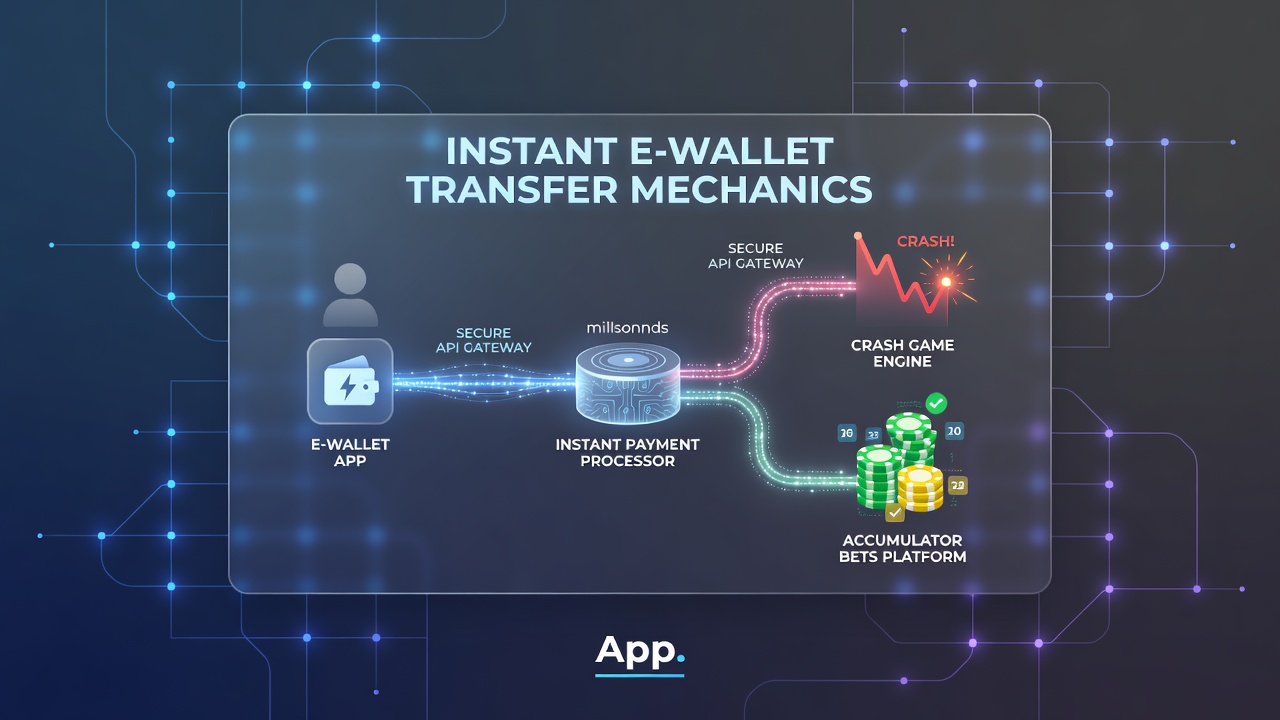
What's interesting is that the same wallet infrastructure often supports both cash-out requests after successful accumulators and immediate re-staking into new crash rounds. Transaction records examined by researchers show that many users cycle winnings directly back into new bets within the same minute, a pattern made possible by the absence of settlement queues.
App-Driven Hubs and Verification Pathways
App-driven platforms market themselves to audiences seeking reduced documentation requirements by routing deposits exclusively through e-wallets that already hold user funds. These wallets typically require identity verification at account creation, yet the gaming platforms themselves do not repeat the process for each session. Reports from digital payment analysts highlight that this separation of verification layers allows quicker onboarding compared with traditional casino accounts that request documents on every deposit above certain thresholds.
One study released by the Bank for International Settlements examined instant payment rails across multiple jurisdictions and found that wallet-to-merchant transfers achieved finality rates above 99 percent when operating on established networks. Such reliability supports the continuous operation of game servers that must record every stake and cash-out without interruption.
Regional Infrastructure Considerations
UK-based users accessing these hubs often connect through servers located in jurisdictions with lighter documentation rules for gaming operators. The mechanics remain identical to those used elsewhere: wallet APIs confirm balances, issue credits, and log transactions in immutable ledgers that platforms reference for dispute resolution. Data compiled by the Responsible Gambling Council shows similar patterns of rapid funding in markets outside the UK, confirming that the technical sequence does not vary significantly by geography.
Conclusion
The mapping of these transfer mechanics reveals a straightforward sequence of API calls, balance confirmations, and ledger updates that together enable uninterrupted participation in crash games and accumulator construction. As app-driven platforms continue to refine node placement and reconciliation timing, the interval between deposit initiation and available balance continues to shrink. Observers tracking these systems note that the underlying infrastructure, rather than any single game feature, determines how quickly users can move between funding and active betting across verification-light environments.