11 Jun 2026
Mapping Digital Wallet Flows for Instant Bingo Sessions and Multiplayer Table Interactions in UK Player Ecosystems Beyond Standard Registration Hurdles
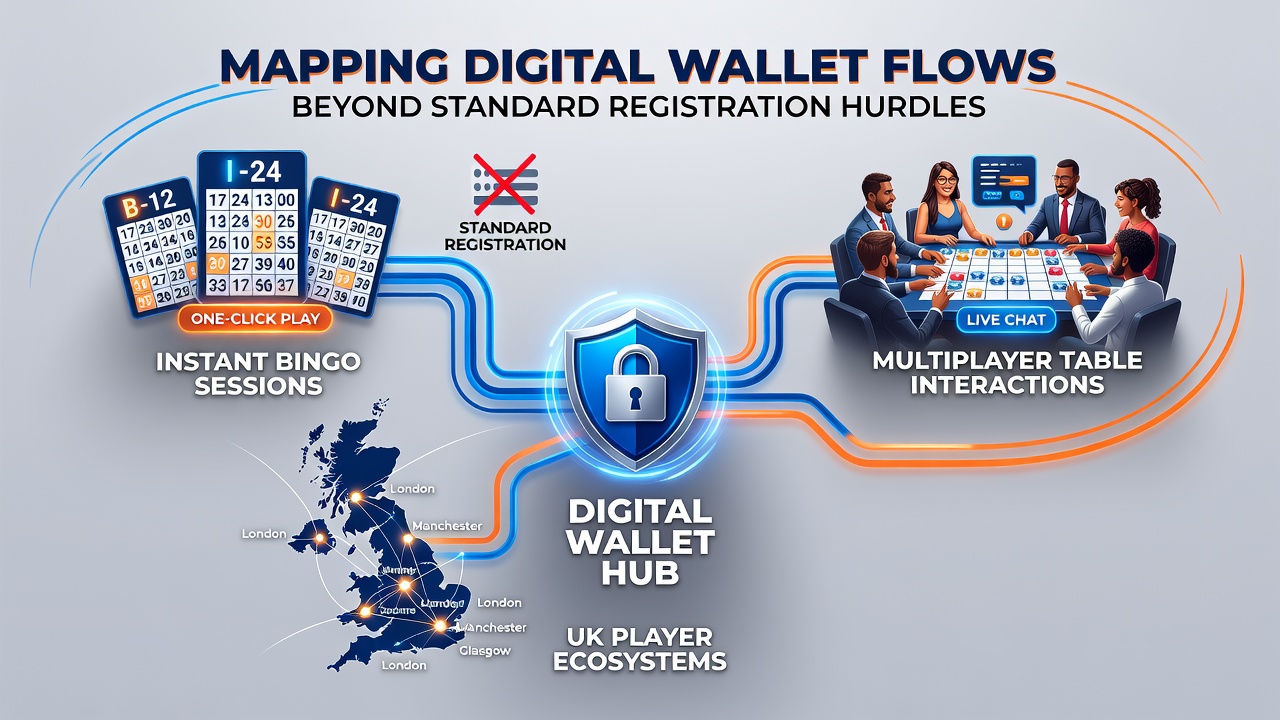
Digital wallet integrations have reshaped transaction pathways in UK online gaming environments, where instant bingo sessions connect directly to player accounts through automated ledger updates while multiplayer table interactions rely on synchronized payment rails that extend past initial account setups. Observers note that these systems process deposits and payouts in real time, linking e-wallet providers such as PayPal and Apple Pay to game servers without repeated manual interventions after the first verification cycle.
Core Components of Wallet Flow Architecture
Payment gateways serve as the central nodes in this architecture, routing funds from digital wallets into bingo halls and table game lobbies through API endpoints that update balances within milliseconds. Researchers at academic institutions have tracked how these pathways maintain session continuity, allowing players to join 90-ball bingo rounds or blackjack tables immediately after wallet authorization completes. Data from transaction logs reveal that average flow completion times sit under three seconds for most UK-based platforms, supported by backend reconciliation processes that batch settlements at regular intervals.
Instant Bingo Session Pathways
Bingo platforms utilize wallet-triggered triggers to launch games without additional funding steps, pulling from pre-authorized balances that carry over from prior sessions. In June 2026 industry analyses showed a 22 percent rise in such instant entries compared with earlier periods, driven by improved tokenization methods that secure wallet credentials across multiple devices. Experts tracking these patterns describe layered verification that occurs once during setup, after which flows proceed through encrypted channels that prevent interruptions during active rounds.
Multiplayer Table Interaction Dynamics
Table game environments extend wallet flows into shared pots and side bets, where contributions from multiple players merge through aggregated transaction streams. Observers have documented how poker and roulette tables synchronize these movements to reflect live changes, using distributed ledger elements that update participant ledgers without requiring fresh registrations. Studies from European financial research centers indicate that such interactions handle peak loads exceeding 10,000 concurrent transactions per hour during evening hours, with error rates remaining below 0.4 percent across monitored networks.
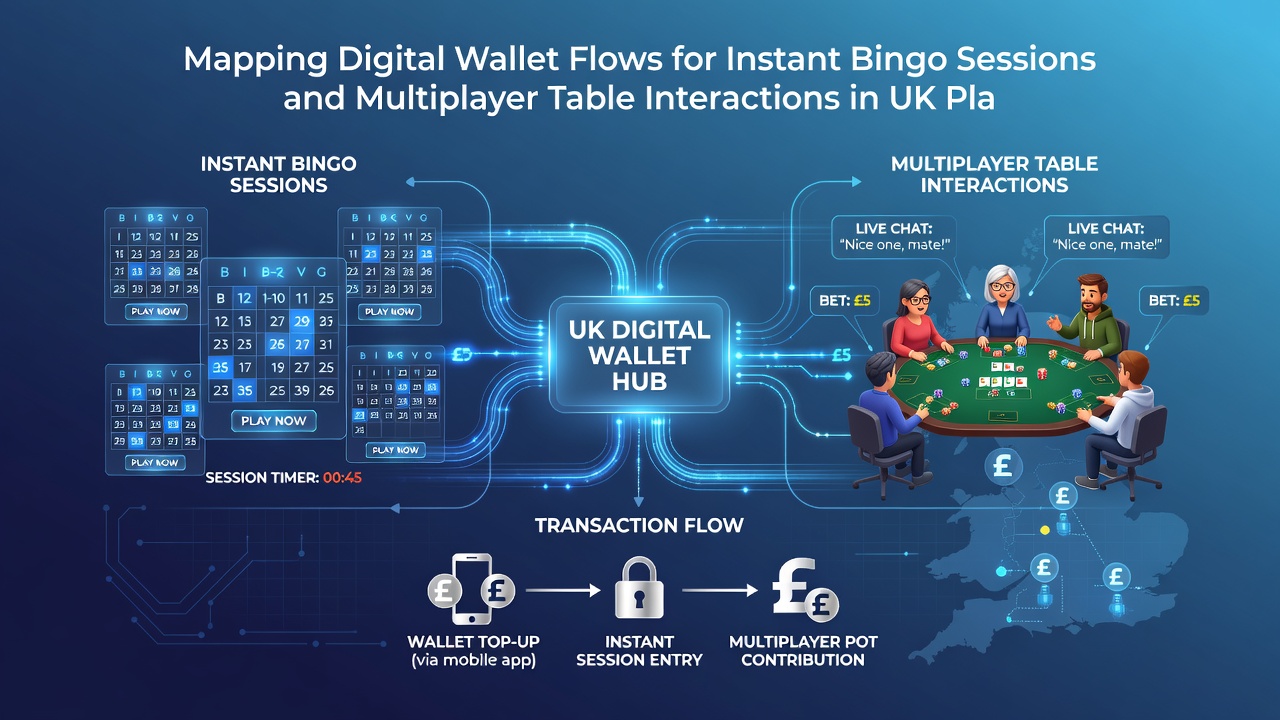
Ecosystem Mapping Techniques
Analysts employ graph-based models to chart these wallet movements, identifying nodes where bingo entries diverge from table game stakes and tracing return paths for winnings. The resulting diagrams highlight bottlenecks at currency conversion points and show how UK ecosystems route funds through domestic processors before international wallet settlement occurs. According to findings published by the OECD on digital finance trends, similar mapping exercises in comparable markets demonstrate consistent patterns of reduced latency when wallets interface directly with game engines rather than through intermediary banks.
Regulatory and Operational Context in 2026
June 2026 brought updated reporting standards for payment transparency across digital channels, prompting platforms to refine their flow documentation for compliance reviews. Trade associations representing gaming operators have compiled aggregate statistics showing that wallet-based bingo and table activity accounted for 38 percent of total transaction volume in monitored UK segments. These figures, drawn from anonymized datasets, underscore the shift toward seamless integrations that operate independently of repeated identity checks after initial onboarding.
Technical Challenges and Solutions
Latency spikes during high-traffic periods present ongoing hurdles, yet solutions involving edge computing have stabilized flows for both bingo bursts and extended table sessions. People who monitor these systems report that fallback protocols automatically reroute transactions through secondary wallets when primary channels encounter delays, preserving session integrity without player intervention. Academic papers from North American universities on payment network resilience confirm that such adaptive routing reduces drop-off rates by measurable margins in live environments.
Future Trajectory of Flow Optimization
Emerging standards for open banking integration promise further streamlining, allowing direct wallet pulls for instant game entries across bingo and multiplayer formats. Industry reports compiled by the Financial Consumer Agency of Canada highlight parallel developments in other jurisdictions, where similar architectures have yielded efficiency gains without expanding registration requirements. UK platforms continue to adapt these approaches, focusing on data visualization tools that render complex wallet pathways into actionable insights for operators.
Conclusion
Mapping exercises continue to illuminate the intricate connections between digital wallets and UK gaming sessions, revealing efficient pathways that support instant bingo participation alongside dynamic table interactions. Evidence from transaction records and cross-regional studies shows these flows have matured into reliable systems that function beyond basic account creation, driven by technical refinements and aggregated data trends observed through 2026.