4 Jun 2026
Exploring Tiered Membership Benefits That Unlock Custom Game Modes and Enhanced Payout Options in Digital Wagering Hubs
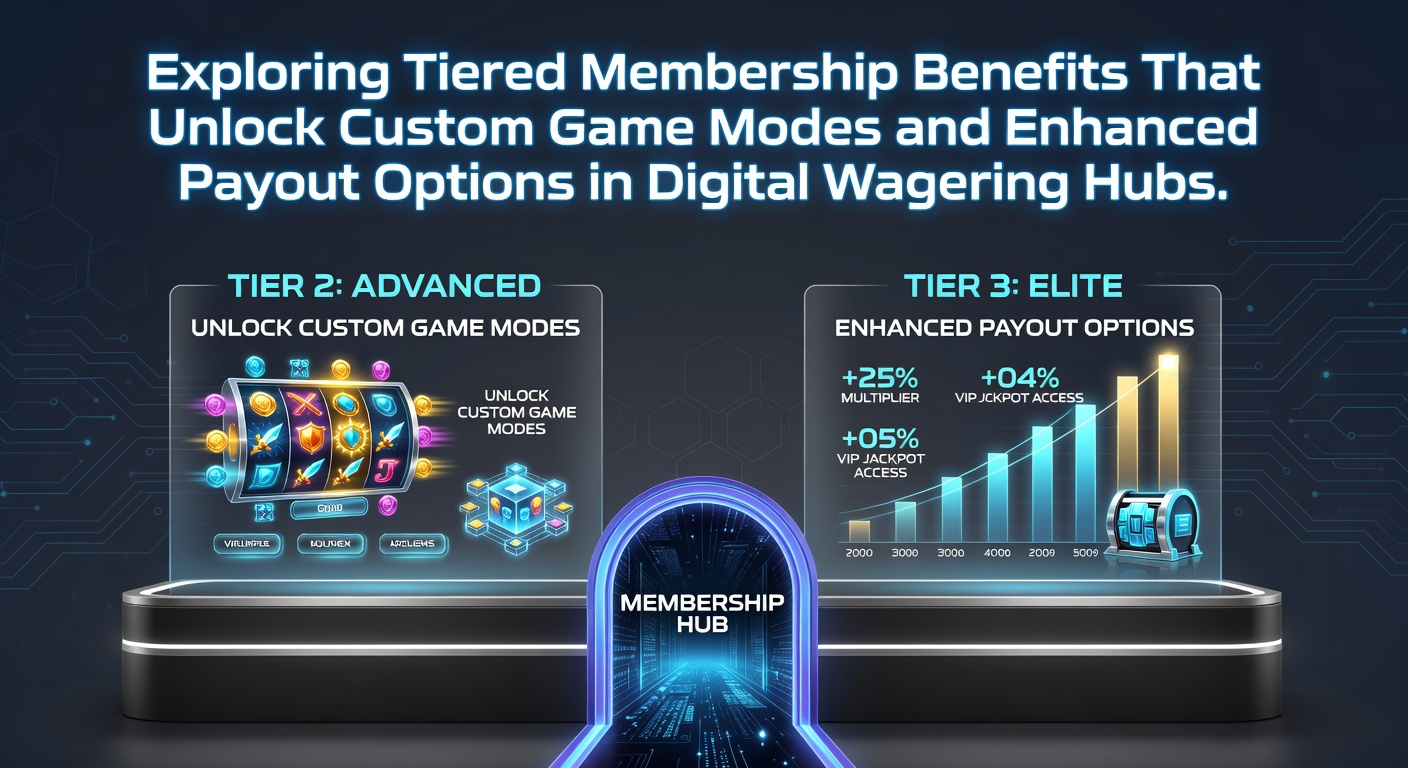 Platforms organize player engagement through structured membership tiers that reward consistent activity with progressive access to specialized features, and these systems operate across numerous digital wagering environments where participants advance based on metrics like wager volume and session frequency. Data from industry reports indicate that higher tiers frequently introduce custom game modes unavailable at entry levels, while payout structures adjust to reflect accumulated status. Observers note that such frameworks encourage longer-term participation without altering core game mechanics for all users.
How Tier Progression Works in Practice
Digital wagering hubs calculate tier advancement using algorithms that track deposits, bets, and play duration, and players move from basic categories into premium ones once thresholds are met. Research conducted by academic institutions shows that these progressions typically span four to six levels, with each stage unlocking incremental perks that include modified rulesets in selected titles. Those who've examined platform data find that custom modes often feature altered reel configurations or betting limits tailored to the tier, yet standard versions remain open to everyone regardless of status.
One study revealed that participants at mid-tier levels encounter game variants with adjustable volatility settings, and this flexibility allows individuals to select parameters that align with their preferred risk profiles. Figures from regulatory filings in various jurisdictions reveal steady growth in tier adoption rates, particularly as mobile interfaces simplify status tracking through integrated dashboards.
Access to Custom Game Modes Across Tiers
Higher membership levels grant entry to bespoke game modes that incorporate unique elements such as dynamic multiplier systems or player-influenced rule adjustments, while lower tiers stick to conventional formats. These custom options appear in slots, table games, and interactive titles where the platform modifies underlying code to deliver distinct experiences. Evidence suggests that developers design these modes to maintain fairness standards, even as visual and mechanical variations emerge for qualifying members.
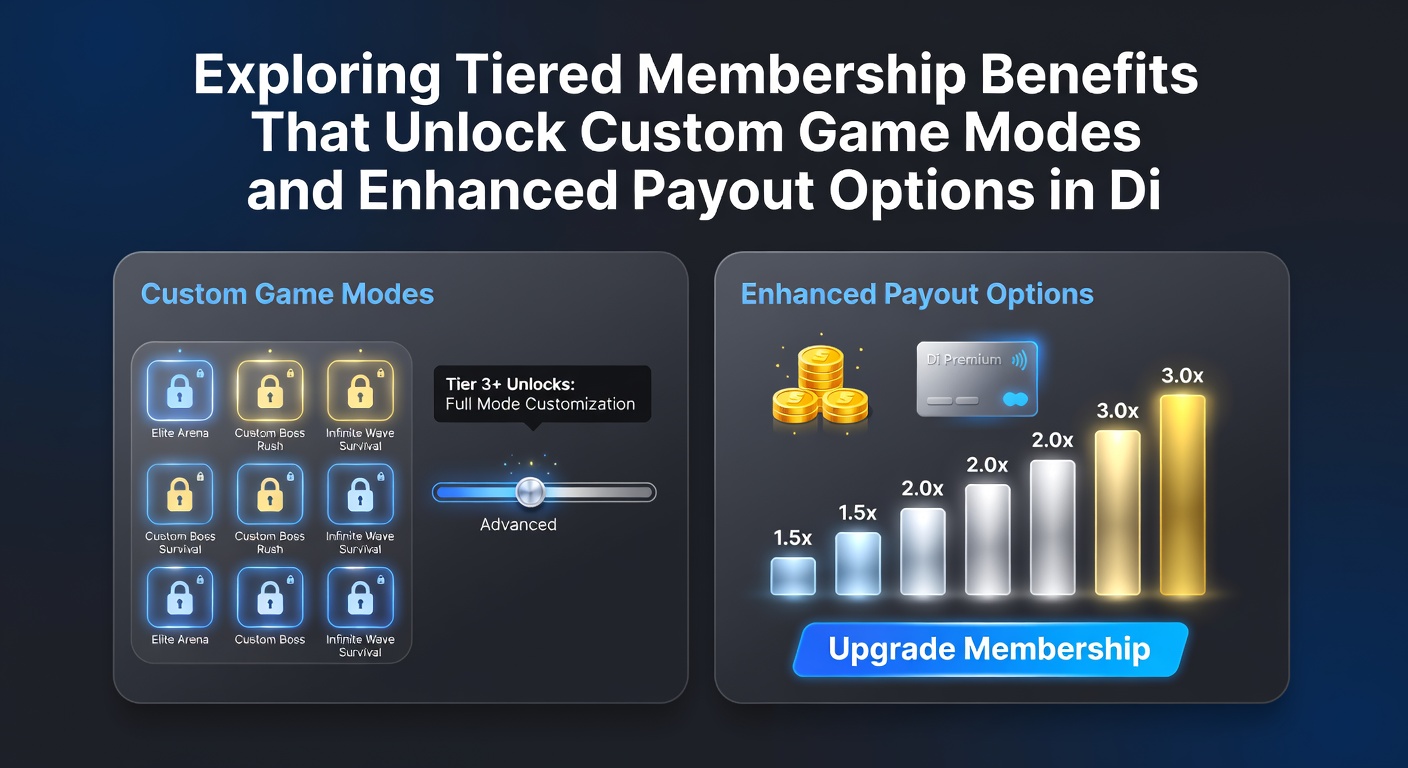
Take one platform that introduced exclusive crash-style challenges at its top tier, where timing mechanics differ from public versions, and participants report smoother integration with existing accounts. What's interesting is how these custom modes sometimes incorporate community elements, such as shared leaderboards restricted to tier holders, without impacting overall prize pools.
Enhanced Payout Structures Tied to Membership
Enhanced payout options manifest through boosted return-to-player percentages in specific titles or accelerated withdrawal processing for qualifying tiers, and these adjustments occur within predefined regulatory boundaries. Industry analyses from sources outside the UK demonstrate that platforms apply such enhancements selectively, often capping them to certain game categories to preserve balance across the user base. Data indicates that top-tier members may access instant payout channels or reduced minimum thresholds, which streamline fund movements compared to standard processing times.
Researchers discovered that these payout enhancements correlate with tier duration rather than single-session performance, creating incentives for sustained engagement. Platforms implement verification steps that remain consistent regardless of level, yet the speed and flexibility increase as status rises. According to reports from the American Gaming Association, similar tiered payout models have expanded in North American markets, where operators document higher retention among members who reach advanced levels.
Broader Industry Context Heading Into June 2026
Market observers track how tiered systems evolve alongside technological upgrades, and several operators plan expansions of custom features by mid-2026. Figures reveal that integration with emerging payment rails could further differentiate payout speeds between tiers, while custom modes incorporate more user-generated content options. Those monitoring developments note that these changes align with wider shifts in digital entertainment delivery, where personalization drives platform differentiation.
One case where experts found notable growth involved a European operator that linked tier benefits to seasonal events, and this approach produced measurable increases in active accounts during promotional windows. Platforms continue to refine algorithms to ensure equitable distribution of benefits, drawing on aggregated user behavior patterns collected over multiple quarters.
Conclusion
Tiered membership frameworks in digital wagering hubs deliver structured pathways to custom game modes and refined payout mechanisms, with advancement determined by measurable activity metrics. Evidence from multiple regions shows consistent implementation patterns that prioritize transparency in benefit allocation, and these systems operate alongside standard access options for all participants. As platforms prepare updates scheduled around June 2026, tier structures are expected to incorporate additional customization layers while maintaining compliance with existing oversight frameworks. Observers continue to monitor how these features influence overall engagement trends across the sector.