21 Jul 2026
Digital Payment Routes Enabling Mobile Live Betting and Gaming Platforms for UK Users
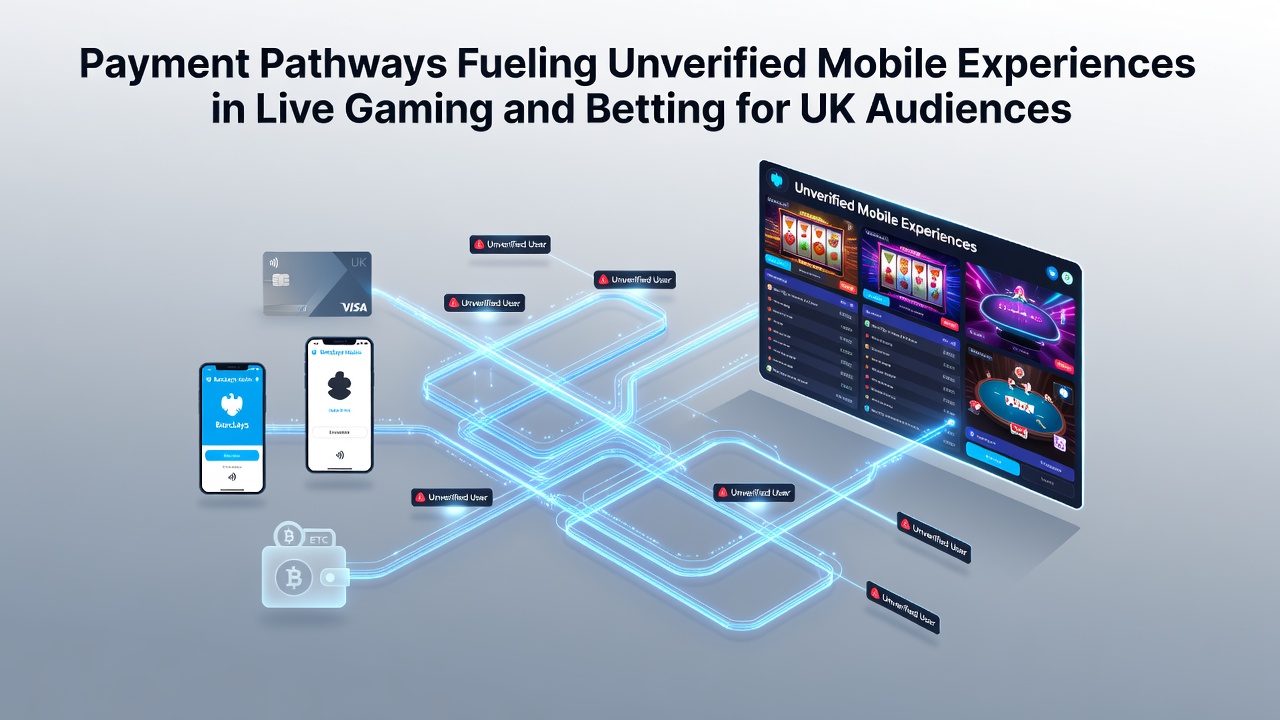
Data from industry reports shows payment pathways such as digital wallets and instant bank transfers continue to support mobile access to live dealer tables and sports betting markets across UK audiences while certain platforms operate without standard verification layers. Observers note these systems allow deposits and withdrawals to process through encrypted channels that connect directly to user devices yet bypass full identity checks in select environments.
Core Payment Methods Driving Mobile Access
Electronic payment services including e-wallets and prepaid cards facilitate real-time funding for live roulette sessions and in-play wagering according to transaction logs compiled by platform operators. These methods integrate with mobile applications through APIs that reduce processing times to seconds whereas traditional card payments often require additional authorization steps. Research indicates volumes of such transactions rose notably in early 2026 as more users adopted smartphones for accessing dealer-hosted games and betting exchanges.
Bank transfer integrations via open banking protocols enable direct account links that support both deposits into live gaming balances and withdrawals back to personal accounts. Figures reveal these pathways handle significant shares of mobile traffic in regions where verification remains optional on certain sites. Experts tracking transaction patterns have observed that users frequently combine multiple payment types within single sessions to maintain liquidity during extended live dealer sequences or multi-sport betting sequences.
Technical Infrastructure Behind Unverified Flows
Mobile applications leverage tokenization and biometric authentication to secure payment pathways even when identity documents stay unrequested. This setup allows continuous play on live blackjack tables or bingo halls through encrypted sessions that update balances instantly upon each funding action. Studies conducted by academic researchers at European institutions highlight how such infrastructure reduces friction compared to desktop alternatives while maintaining compliance with device-level security standards.
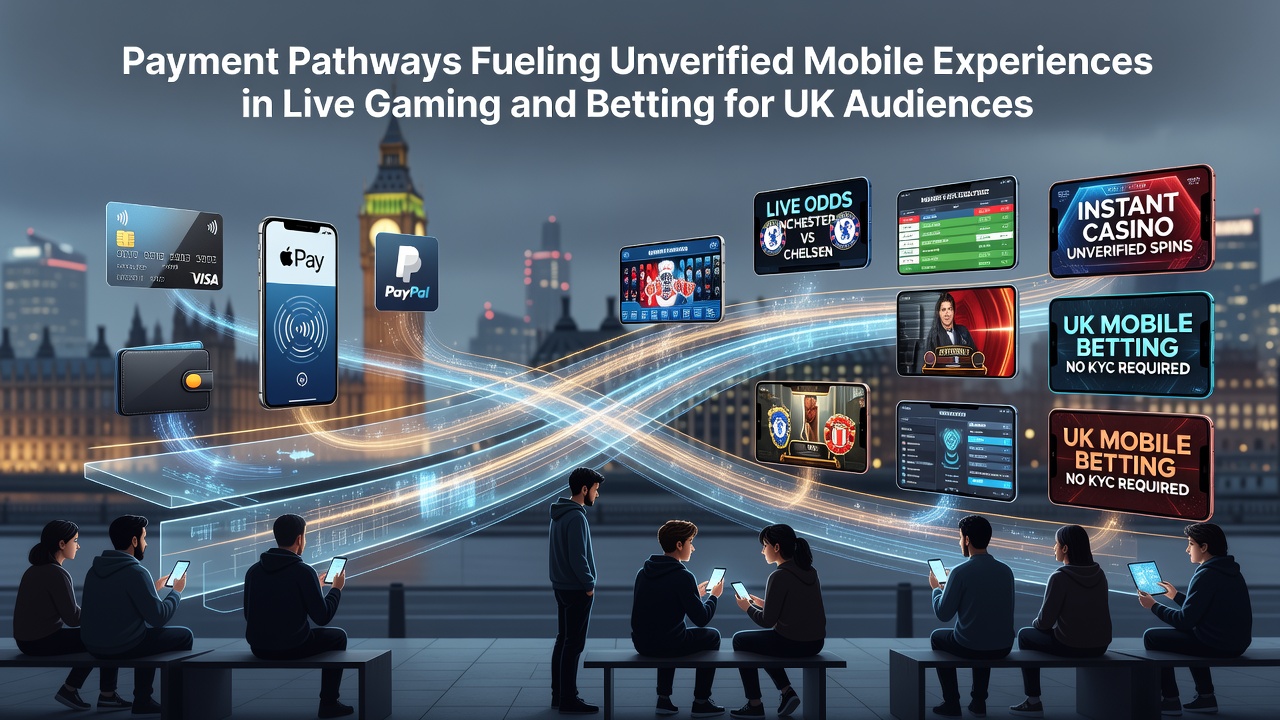
Payment aggregators aggregate multiple funding sources into unified interfaces that appear within gaming apps and update in real time during live events. Data compiled through 2026 demonstrates these aggregators process higher volumes during peak evening hours when UK users engage with speed-focused formats such as crash games or rapid roulette wheels. The architecture supports seamless switches between funding methods without interrupting active betting positions or dealer interactions.
Regulatory Context and Industry Metrics
Broader European oversight bodies have published statistics on digital payment adoption in gambling sectors showing steady growth through mid-2026. One report from the European Gaming and Betting Association details how mobile payment volumes contributed to overall sector turnover across member states including patterns observed in UK markets. Industry analysts track these metrics alongside device penetration rates to map shifts in user behavior toward live mobile experiences.
Additional findings from research published by Australian regulatory sources indicate similar trends in payment pathway usage for unverified mobile betting environments where speed and accessibility drive platform selection. Observers note that July 2026 saw continued expansion of these systems as operators refined integration with emerging wallet technologies while audiences maintained steady engagement levels with live content streams.
Future Developments in Payment Integration
Platform developers continue testing new API connections that further streamline funding for live gaming and betting on mobile devices. Evidence from transaction monitoring suggests these enhancements could sustain higher activity rates among users seeking immediate access without extended verification processes. Industry organizations compile ongoing data sets that track adoption rates and highlight correlations between payment speed and session duration across live dealer and sportsbook offerings.
Conclusion
Payment pathways through digital wallets and instant transfers maintain their position as central components supporting unverified mobile live gaming and betting access for UK audiences. Transaction records and regulatory reports from multiple regions confirm consistent usage patterns into 2026 while technical infrastructure evolves to meet demand for faster and more integrated experiences. Data continues to shape understanding of how these systems operate within broader mobile entertainment landscapes.