19 May 2026
Charting Mobile App Pathways That Blend Live Dealer Tables With Instant Crypto Payouts for UK Audiences Seeking Flexible Access
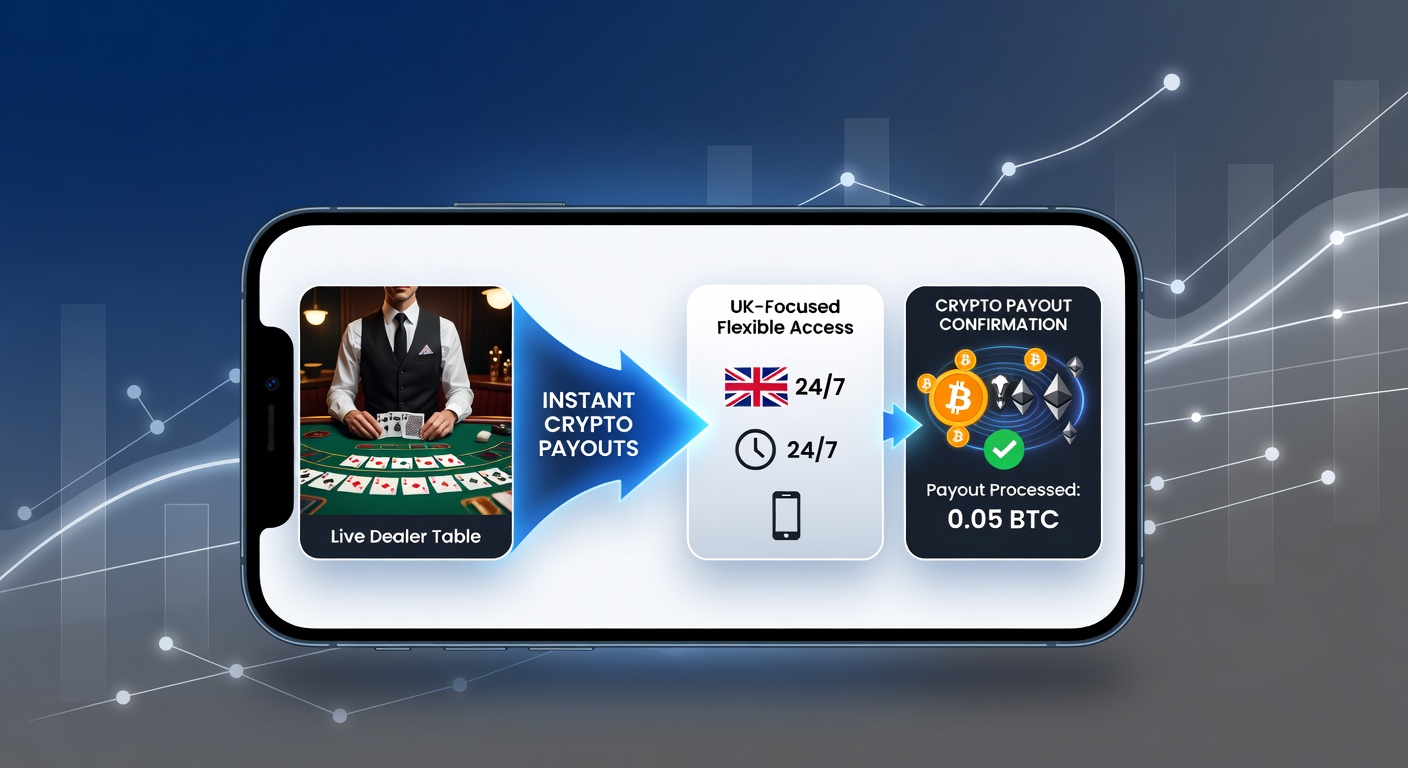
Developers continue refining mobile applications that merge live dealer tables with instant cryptocurrency payouts, creating streamlined pathways tailored to UK users who prioritize seamless device-based access and rapid fund movements. These platforms incorporate real-time video feeds from studio environments directly into smartphone interfaces, while blockchain protocols handle transaction confirmations within seconds rather than minutes or hours. Observers note that integration happens through dedicated APIs connecting gaming servers to digital wallet systems, allowing players to shift from placing bets at virtual blackjack or roulette tables to receiving winnings without intermediary banking steps.
UK audiences encounter these features across various operating systems, with app stores listing updates that optimize for both iOS and Android environments as of early 2026. Data from industry reports indicate growing adoption rates, particularly among users who value round-the-clock availability and cross-border compatibility in payment networks. Researchers at several European institutions have documented how these combined systems reduce latency through edge computing techniques, ensuring video streams remain stable even during peak evening hours when traffic volumes rise.
App Architecture Supporting Live Interactions
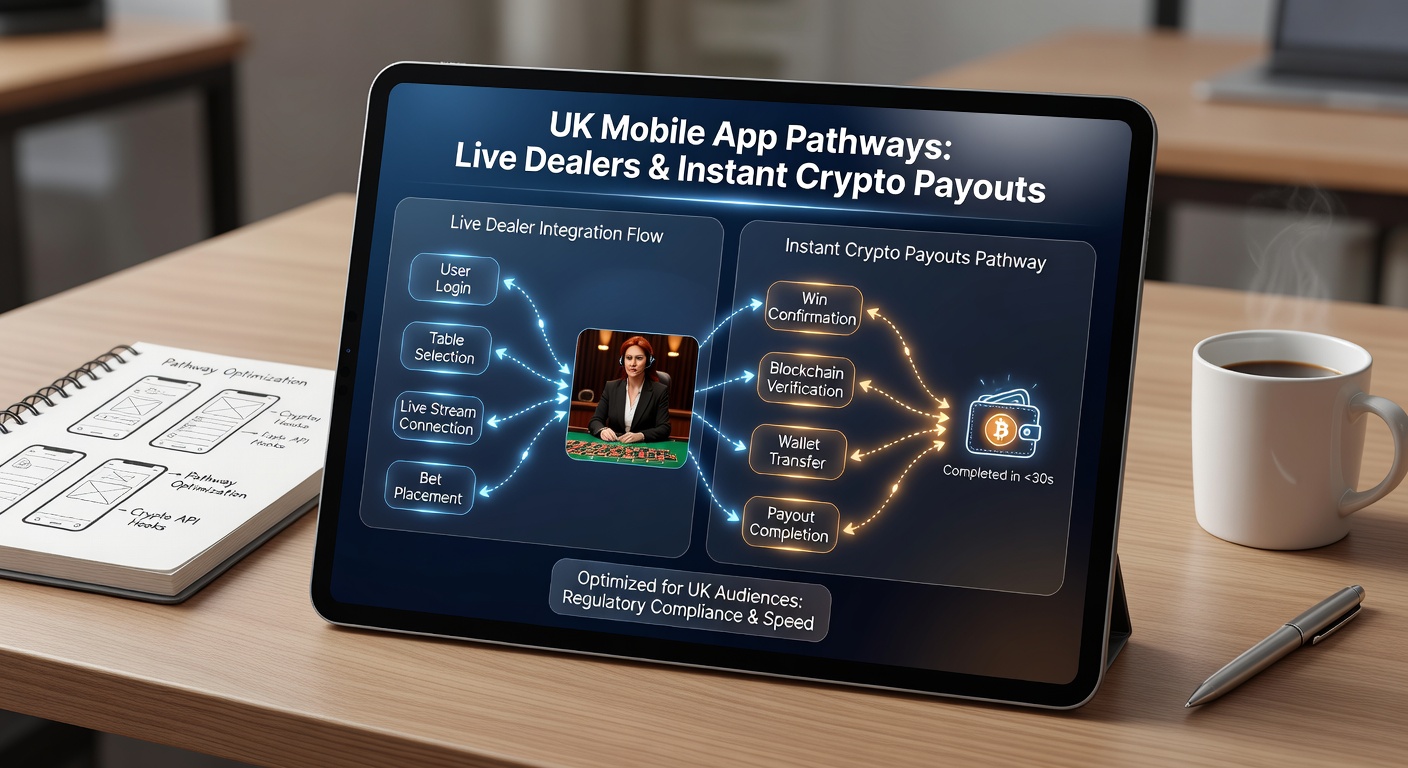
Engineers design core frameworks that prioritize low-latency video delivery alongside secure cryptographic verification for each payout request. Multiple camera angles capture dealer actions in real time, feeding into adaptive streaming protocols that adjust quality based on network conditions across the UK. Those who've examined the underlying codebases find layered security measures, including end-to-end encryption for both gameplay data and wallet addresses, which prevents unauthorized access during simultaneous betting and withdrawal sequences.
Take one developer team that integrated multi-signature wallet approvals into the same dashboard users employ for table selections, resulting in fewer screen switches and smoother session continuity. Figures from technology analyses reveal that such unified interfaces handle thousands of concurrent sessions without performance dips, a capability tested extensively ahead of broader rollouts. What's interesting involves the way geolocation services confirm UK compliance boundaries while still permitting crypto network access through decentralized nodes rather than centralized exchanges.
Cryptocurrency Integration for Rapid Settlements
Blockchain networks selected for these applications emphasize high throughput and minimal fees, with platforms often favoring stablecoin variants to shield users from volatility during instant transfers. Observers note that smart contracts automate verification once game outcomes register on the server side, triggering payouts directly to user-controlled addresses without manual intervention. Studies conducted by academic groups in North America highlight how these automated flows achieve confirmation times under thirty seconds on optimized chains, compared to traditional methods that extend processing across multiple business days.
People exploring these pathways frequently discover built-in conversion tools that handle fiat-to-crypto swaps at the point of deposit, maintaining account balances in preferred denominations throughout live sessions. According to findings shared by the European Gaming and Betting Association, transaction success rates exceed 98 percent when apps employ redundant node connections across global networks. European Gaming and Betting Association reports further detail how regulatory sandboxes in select jurisdictions encourage testing of such hybrid models before full deployment.
Trends Emerging in May 2026
By May 2026 several providers introduced enhanced push notification systems that alert UK users to table openings and completed crypto transfers within the same unified feed. These updates build upon earlier versions by incorporating biometric authentication layers, which streamline re-entry into ongoing live dealer games after brief interruptions. Analysts tracking adoption patterns report increased session durations when payout speeds improve, as participants spend less time navigating external banking portals.
Yet developers continue addressing compatibility challenges with older device models still prevalent among certain UK demographics, ensuring accessibility remains broad rather than limited to flagship hardware. Research indicates that app updates released around this period also refined risk management algorithms that monitor betting patterns in real time while crypto ledgers record immutable transaction histories for audit purposes.
User Experience Refinements Across Devices
Interface designers focus on gesture-based controls that let players adjust bet sizes or request dealer interactions without disrupting video continuity on smaller screens. Case examples show how one platform incorporated haptic feedback during key moments, such as card reveals or payout approvals, heightening immersion while maintaining factual game integrity. Those monitoring market shifts observe steady growth in cross-device synchronization features, allowing sessions started on tablets to resume seamlessly on phones during commutes.
Industry organizations document rising interest in tutorial modules embedded directly within apps, guiding new users through crypto wallet linkages and live table etiquette in concise video segments. These elements combine with searchable history logs that display both gameplay results and corresponding blockchain receipts side by side for easy reference.
Conclusion
Mobile applications that fuse live dealer environments with instant crypto settlements continue evolving to meet demands for flexible access among UK participants, supported by ongoing advances in streaming technology and distributed ledger systems. Evidence from multiple sectors shows sustained development cycles that prioritize security alongside speed, creating pathways that operate efficiently across varied network conditions. As May 2026 progresses, further refinements appear likely as providers respond to usage data and expand compatibility options for broader audiences.