1 Aug 2026
App-Driven Crossovers: How Flexible Funding Fuels Tournament Leaderboards Blending Live Tables, Crash Mechanics, and Multiplayer Bingo Events
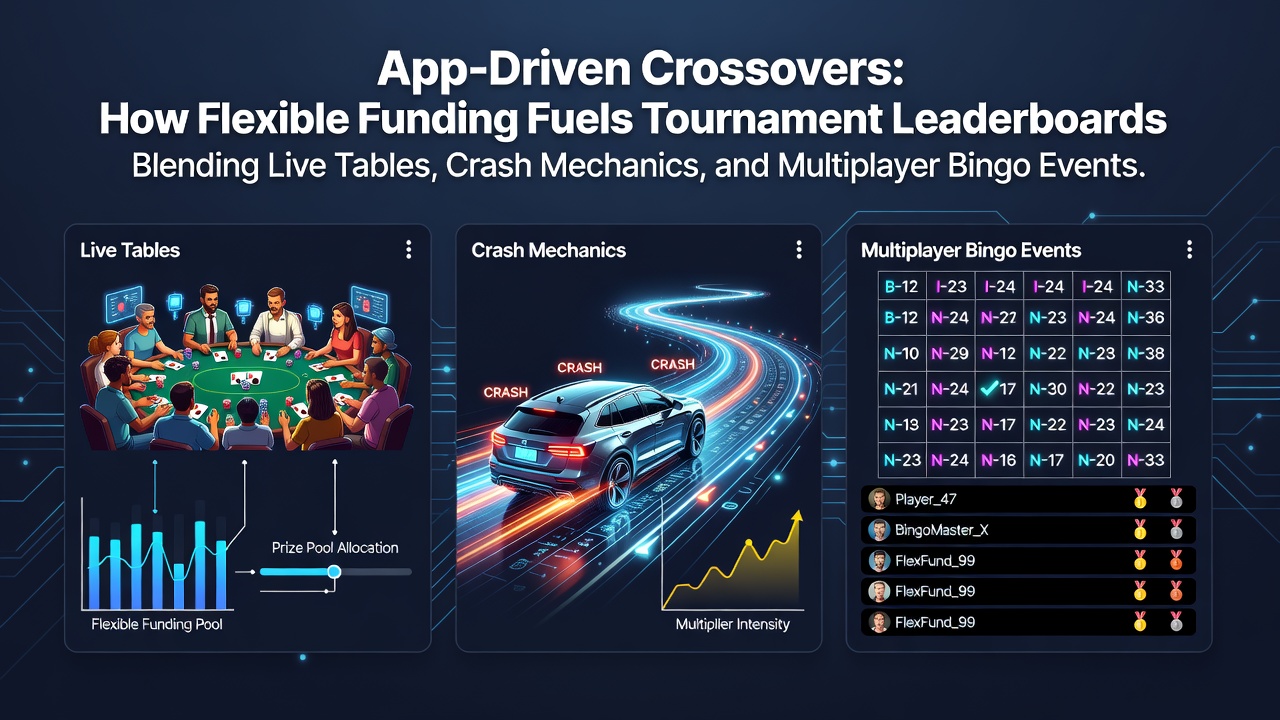 Mobile applications now connect distinct game categories through shared leaderboards that track performance across live dealer tables, crash mechanics, and multiplayer bingo events, while flexible funding options allow participants to move between formats without separate account setups. Data from industry reports indicate these crossovers emerged as developers integrated real-time payment processing with unified user profiles, enabling seamless entry into multi-format competitions. Observers note that funding flexibility stems from integrated wallets supporting instant deposits via multiple channels, which then allocate credits across game types within a single session. This structure supports tournament formats where points accumulate from live table decisions, multiplier predictions in crash rounds, and pattern completions in bingo halls. Research from the University of Nevada Reno highlights how such systems reduce friction, with participation rates rising as users avoid repeated verification steps between different game modules.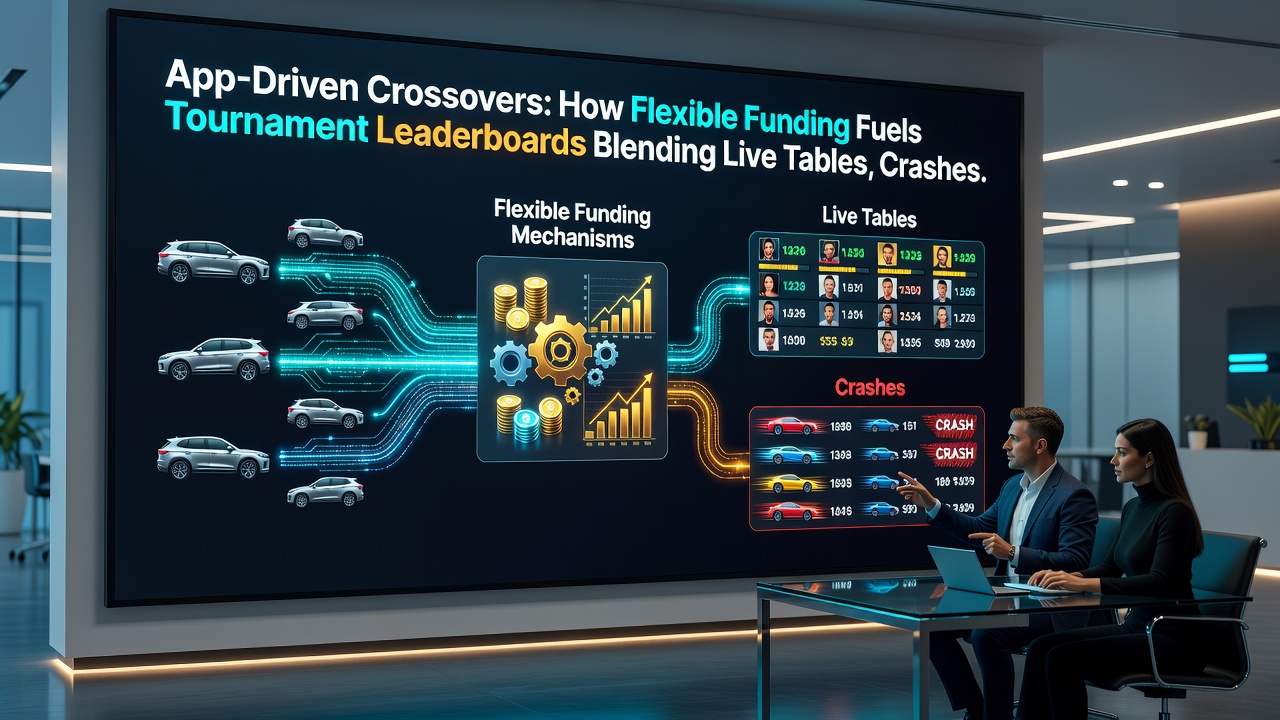
Mobile applications now connect distinct game categories through shared leaderboards that track performance across live dealer tables, crash mechanics, and multiplayer bingo events, while flexible funding options allow participants to move between formats without separate account setups. Data from industry reports indicate these crossovers emerged as developers integrated real-time payment processing with unified user profiles, enabling seamless entry into multi-format competitions. Observers note that funding flexibility stems from integrated wallets supporting instant deposits via multiple channels, which then allocate credits across game types within a single session. This structure supports tournament formats where points accumulate from live table decisions, multiplier predictions in crash rounds, and pattern completions in bingo halls. Research from the University of Nevada Reno highlights how such systems reduce friction, with participation rates rising as users avoid repeated verification steps between different game modules.Mechanics of Cross-Format Tournaments
Live table interactions contribute to overall standings through metrics like win rates and decision accuracy, while crash mechanics add layers based on exit timing and multiplier values achieved. Multiplayer bingo events feed into the same leaderboard via speed of number matches and card coverage percentages. Developers coordinate these through centralized servers that update scores in real time, creating combined rankings that refresh every few minutes during active events. Funding plays a direct role because tournament entry fees deduct automatically from linked balances, and winnings distribute back to the same wallets for immediate reuse across formats. In August 2026, platform operators reported expanded adoption of these models as API connections between payment processors and game engines matured, allowing fractional credit transfers without downtime.Role of Adaptive Payment Systems
Payment gateways handle variable transaction sizes that match tournament buy-ins, ranging from small stakes in bingo rounds to higher commitments at live tables. This adaptability comes from modular APIs that process micro-deposits alongside larger transfers, maintaining balance consistency across all active competitions. Those who've examined transaction logs find that users often shift funds mid-tournament to adjust strategies, such as increasing exposure in crash segments after securing bingo points. According to figures from the American Gaming Association, platforms employing these payment integrations see higher retention in hybrid events compared to single-format competitions. The systems also log activity for compliance, though the emphasis remains on speed rather than layered approvals.