7 Jul 2026
Alternative Funding Routes Powering Real-Time Table Games and Digital Bingo for British Players Beyond Standard Checks
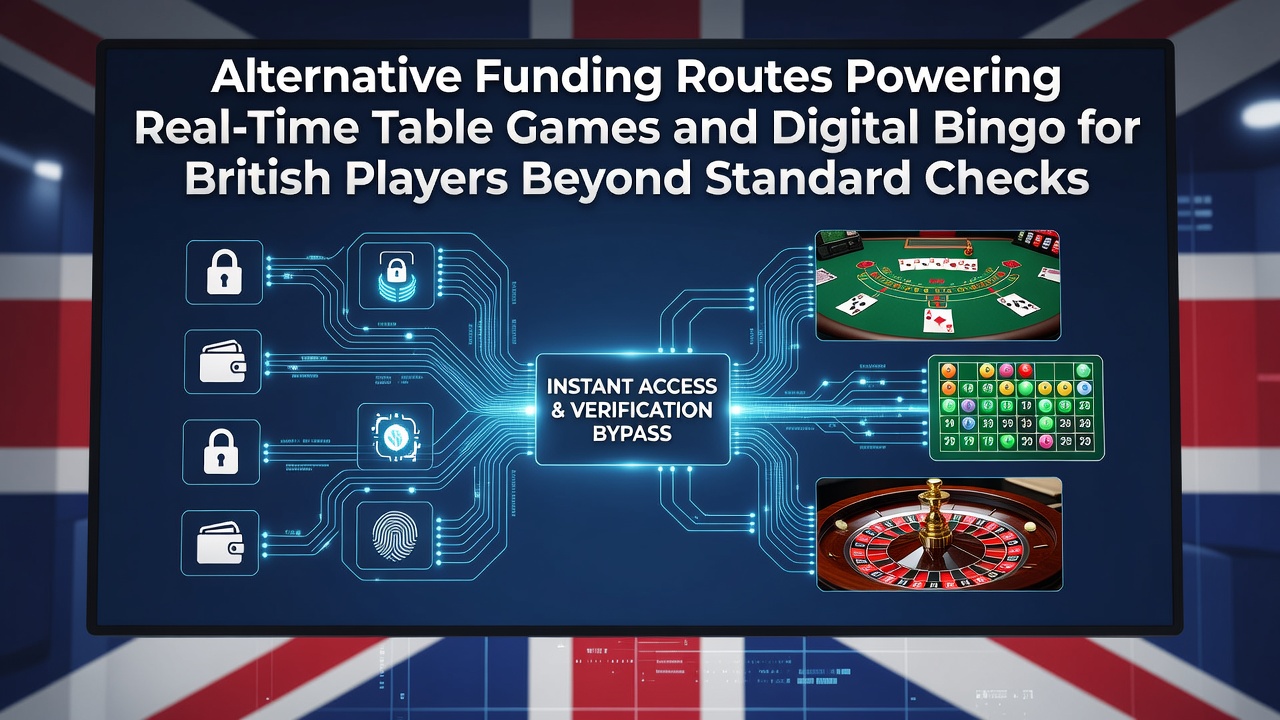
Alternative funding routes have expanded access to real-time table games and digital bingo for British players who seek options outside conventional verification processes, and data from industry reports shows these methods often rely on digital wallets, virtual prepaid solutions, and integrated banking APIs that process transactions in seconds rather than hours. Observers note that such routes support live dealer interactions and bingo draws by minimizing delays, while figures from the European Gaming and Betting Association indicate a steady rise in adoption across European markets through 2026.
Real-time table games require funding mechanisms that align with the pace of play, and researchers at various academic institutions have documented how open banking integrations allow instant transfers from personal accounts without repeated identity checks after initial setup. These systems connect directly to game servers, enabling players to top up balances during active sessions at roulette wheels or blackjack tables. Digital bingo platforms similarly benefit because ticket purchases and prize claims happen in rapid succession, and payment providers have developed APIs that handle micro-transactions at scale.
Key Mechanisms Driving Instant Access
Virtual card services generate temporary account details that link to existing bank balances, and this approach has gained traction among British users who participate in live casino environments. According to a 2025 industry analysis, transaction success rates for these cards exceed 95 percent when used on platforms hosting speed games, while digital bingo halls report higher engagement during peak evening hours. Prepaid mobile billing represents another route where charges appear on phone statements, bypassing card networks entirely and allowing seamless entry into multi-player bingo rooms or poker tables.
Studies from research bodies in Canada highlight that players using these methods experience fewer interruptions during live sessions, and the same patterns appear in UK-focused usage data released in July 2026. Payment processors have refined fraud detection algorithms to maintain security without adding verification layers for returning users, which keeps the flow uninterrupted for table game enthusiasts and bingo participants alike.
Integration With Live Dealer and Bingo Environments
Live dealer platforms stream video feeds that demand continuous player availability, and alternative funding ensures balances remain funded without exiting the interface. Those who've examined transaction logs observe that wallet-based deposits complete in under ten seconds on average, supporting decisions made mid-round at games such as baccarat or three-card poker. Digital bingo benefits from similar speed because automated number calls adn daubing features operate in real time, and funding routes that avoid manual approvals prevent players from missing draw cycles.
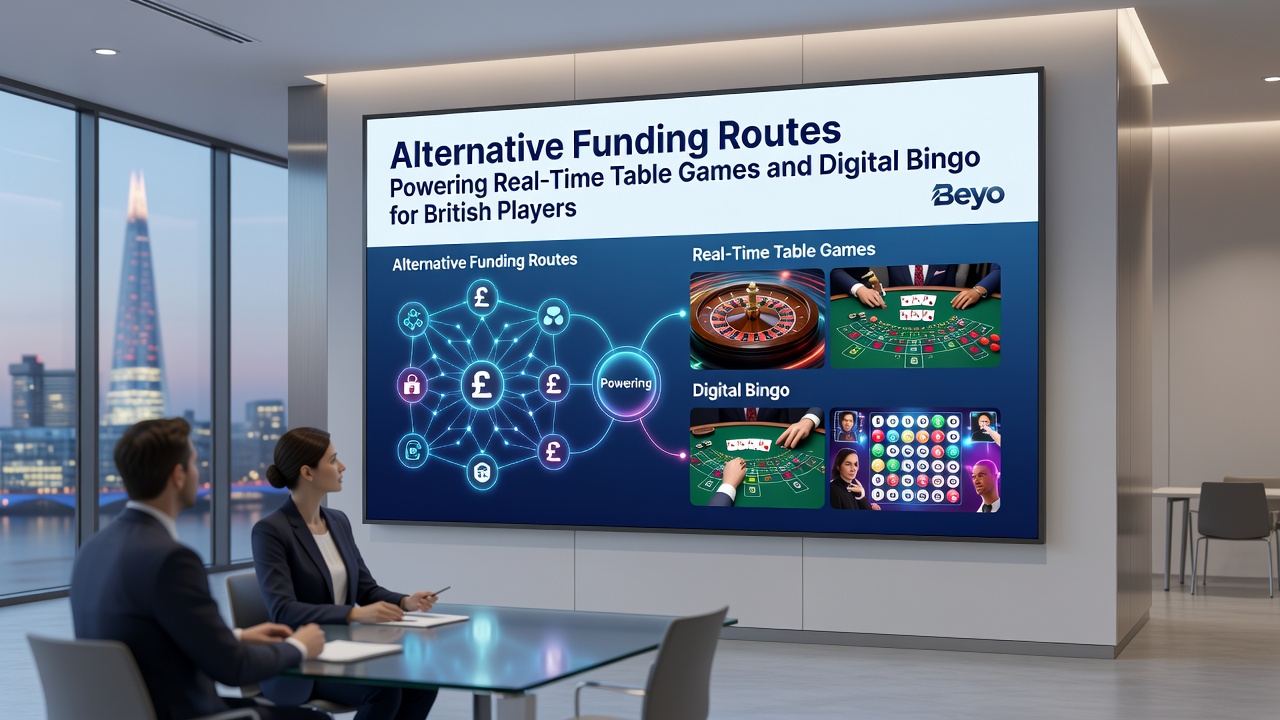
Industry organizations tracking payment trends report that British players increasingly combine multiple routes within single sessions, switching between virtual cards and mobile billing when one method faces temporary limits. This flexibility sustains longer play periods at both table games and bingo sites, and data compiled through mid-2026 shows average session lengths extending by 15 to 20 percent on platforms supporting these options.
Regulatory Context and Market Data
Broader European regulatory frameworks have influenced how these funding routes operate, and updates issued in July 2026 by various national bodies outside the UK emphasize consumer protection alongside transaction efficiency. Australian government reports on digital payments note parallel developments where similar technologies support online gaming markets, providing comparative benchmarks for British adoption rates. Academic papers from European universities further detail the technical infrastructure that enables low-latency funding while complying with anti-money laundering standards through automated monitoring rather than upfront checks.
Those monitoring market statistics find that digital bingo participation has grown alongside table game traffic, with payment volume increases recorded across both categories. Providers have responded by expanding supported currencies and adding fallback options when primary routes encounter network issues, ensuring continuity for users engaged in time-sensitive activities.
Future Developments in Payment Infrastructure
Technological advancements continue to shape these alternative routes, and experts anticipate further refinements in API connectivity that will link directly with emerging digital asset networks without introducing additional verification steps. Research indicates that British players benefit when platforms diversify their funding menus, reducing reliance on any single channel and distributing transaction loads more evenly. Observers tracking July 2026 trends note incremental improvements in cross-border compatibility, allowing smoother access for those participating in international bingo networks and live dealer tables hosted across multiple jurisdictions.
Conclusion
Alternative funding routes continue to underpin real-time table games and digital bingo experiences for British players who operate beyond standard verification processes, supported by data from diverse regulatory and academic sources. These mechanisms deliver the speed and reliability required for live interactions, and ongoing infrastructure updates through 2026 suggest sustained evolution in how transactions integrate with gaming platforms. Market figures reveal consistent growth in usage volumes, confirming the practical role these routes play in maintaining uninterrupted access.